Security alert:Scammers are currently targeting jobseekers. Learn how to protect yourself from recruitment scams here.

Secure your MedTech Talent Crunch Now: Top 8 Emerging Talents

  • Which country dominates the MedTech market in Asia? Singapore has solidified its status as a global MedTech nation, with manufacturing output surging nearly 280% over the previous decade to reach S$19 billion.
  • What is sparking the medical device industry growth? The surge in chronic diseases warrants advanced diagnostic solutions that include lab tests and imaging, which enable timely medical intervention.
  • What MedTech roles are in demand? Medical devices sales representatives, Production Operator, Data Scientist, Quality Assurance Specialists, Biomedical & R&D Engineers, Development Ops and Product Managers.

Why Singapore Dominates — and What's Now at Stake

Singapore has solidified its status as a global MedTech nation and the driving force of Asia’s precision healthcare innovation. In 2024 alone, the nation’s medical device market was valued at USD 4.8 billion, with manufacturing output surging nearly 280% over the previous decade to reach S$19 billion. Today, Singapore houses over 400 thriving MedTech companies, both local and a global scale.

This city-state essentially dominates the MedTech market, producing the vast majority of the world’s gene chips, 50% of mass spectrometry systems, and one in five cardiac-related implants like stents and pacemakers.

The 'Innovation Paradox': When Technology Outpaces Talent'

Yet, we have reached a strategic inflection point. Advancements in Artificial Intelligence, the Internet of Medical Things (IoMT), and Cloud-integrated diagnostics have rapidly outgrown ‘experimental’ pilot programmes to become foundational requirements.

This shift has triggered a high-stakes ‘Innovation Paradox’: technology is evolving at lightning speed, but workforce employment potential is lagging behind. From our perspective as talent navigators, this isn’t just a corporate bottleneck; it directly impacts Singapore’s national healthcare resilience and patient outcomes.

However, innovation in hospitals without workforce supply risks widening the affordability gap. When production timelines are extended due to manpower shortages, patients will experience longer wait times and potential complications. When compliance testing stalls due to a lack of qualified Quality Assurance personnel, life-saving devices sit idle in warehouses.

To stay ahead of the curve, re-strategising your workforce architecture is essential. At OAI, we bring decades of expertise in managing precision-critical human capital, from our heritage as an approved Aviation Industry Labour Supplier to our evolution as a leader in MedTech contract staffing. We solve your ‘Innovation Paradox’ by deploying agile headcount management and payroll solutions that allow you to scale instantly. Partnering with OAI means bypassing rigid hiring cycles to access a specialised, project-ready workforce that keeps your R&D and production lines moving at the speed of 2026.

Singapore's MedTech Market at a Glance

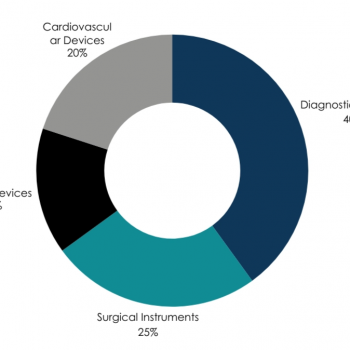
Singapore Medical Devices By Product Type
Chart 1: Singapore Medical Devices By Product Type

Singapore’s medical devices market is segmented by product type, such as diagnostic imaging, surgical instruments, dental and cardiovascular devices. Diagnostic imaging, in particular, holds a dominant market position, driven by its precise, early-detection methods.

Magnetic Resonance Imaging (MRI) and Computed Tomography (CT) scans are crucial healthcare technologies in clinics and hospitals. Significant advancements have been made to increase portability, accuracy and reduce radiation exposure.

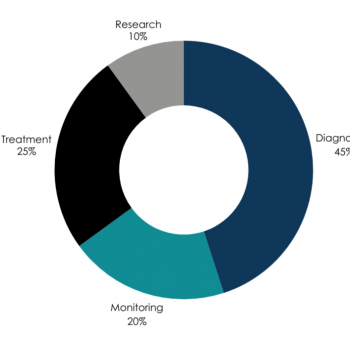
Singapore Medical Devices By Application
Chart 2: Singapore Medical Devices By Application

A surge in chronic diseases warrants advanced diagnostic solutions that include lab tests and imaging, which enable timely medical intervention. Advancements and innovations in point-of-care diagnostics have greatly enhanced healthcare services, especially in outpatient settings, thereby sparking massive medical device industry growth.

The Demographic Drivers Fuelling Continuous MedTech Innovation

The urgency for this transition is fuelled by a demographic reality. By 2030, 21.9% of Singaporeans would be aged 65, a 6.5% spike from 2022. This ‘Silver Tsunami’ is a social challenge and the primary market driver for MedTech. As chronic diseases like diabetes, hypertension, cancer, and heart diseases become a dominant healthcare burden, the shift toward ageing-in-place and precision healthcare now demands ‘smart’ medical devices, tools that can monitor, predict and prevent. These devices require a level of software and data integration that traditional MedTech can’t handle.

How to Plan a Strategic MedTech Workforce

Singapore’s MedTech Technology Workforce comprises approximately 18,500 professionals, but is expected to reach 26,800 by 2030. However, the sector is currently facing a shortfall of 1,200 to 1,500 specialised experts.

As we consult with industry leaders across the region, a common frustration emerges: the average vacancy for senior software engineers with healthcare domain knowledge lasts 4–6 months, while roles requiring AI/ML proficiency can sit empty for up to 8 months. In several recent mandates, we have seen firms pivot to contract-to-perm models specifically because a six-month open search for a regulatory affairs specialist was simply not viable against their product launch window.

If your R&D cycle for a new diagnostic tool is 18 months, losing six months just to find a lead engineer is likened to a death sentence for your competitive edge. Through tailored Recruitment Process Outsourcing (RPO) and targeted Permanent Placement services, OAI leverages an extensive Asia-Pacific network to proactively pipeline candidates with these niche skills. We help you secure the right ‘hybrid’ talent in a fraction of the time, keeping your project timelines and competitive edge.

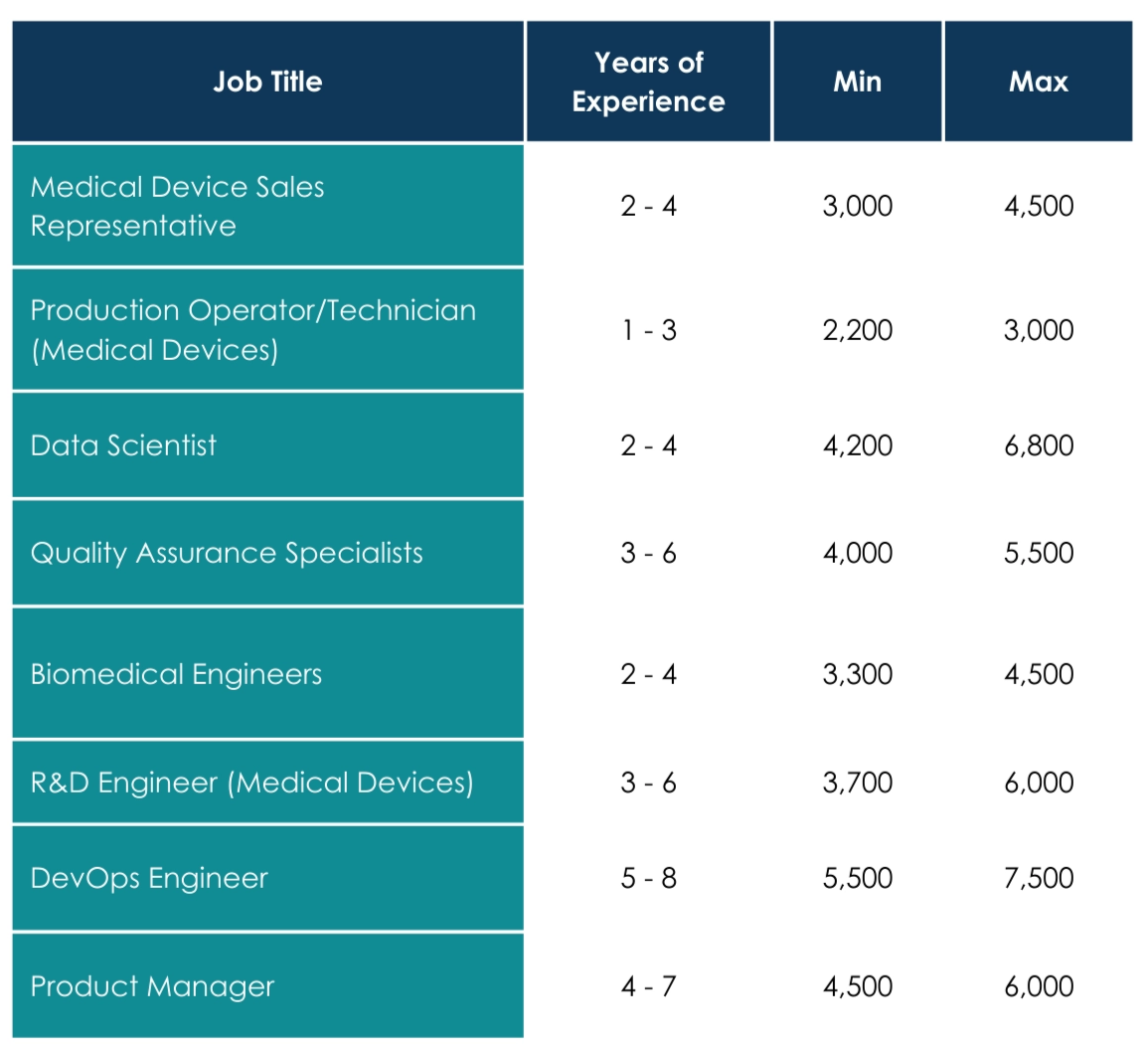
The Salary Benchmarks of the MedTech Industry: The Top 8 Emerging Talents

The MedTech workforce is projected to grow at a 6.3% annual rate, far outpacing overall sector employment. This expansion is driving up compensation; particularly for ‘hybrid’ roles that combine clinical knowledge with data science or cybersecurity.

Underpaying in these brackets is a dangerous mistake. In a high-compliance environment, ‘cheap’ talent is a costly error any firm can make, leading to regulatory bottlenecks, failed trials, and even disastrous product recalls.

Table 1: OAI MedTech Talent Index — Singapore, 2026. Salary ranges are in SGD. See disclaimer below.

From Rigid to Agile: A New Workforce Architecture for MedTech Leaders

Ultimately, it is all about the people. The most resilient Singapore MedTech companies are reconsidering the ‘permanent-only’ mindset in favour of agile human capital. Traditional permanent hiring models can become a strategic liability when technology moves faster than human expertise can be sourced.

If you are ready to empower your organisation and scale your workforce dynamically, our specialist team is here to help you navigate the path forward. Contact our specialists today at OAI Contact Page.


⚠️Disclaimer

The salary data presented in the OAI MedTech Talent Index is derived from our internal database and official external sources. While we strive to provide accurate insights, these figures are estimates and reflect a snapshot in time (H1 2026). Individual salaries may vary based on experience, education, and geographic location within Singapore. We strongly recommend conducting additional research or consulting directly with an OAI specialist when making strategic hiring decisions. All salary ranges are in SGD.


Related Posts